Headphones for working in a shared room: check the job first.
Choose the listening setup for the job you actually need it to do.
The short answer
When choosing headphones for working in a shared room, separate three needs: sound reaching your ears, your voice reaching a call, and comfort during use. Noise cancellation does not by itself prove microphone performance. Compare the job with your current setup before buying; our Q20i note is manufacturer-sourced research, not a call test.
Do you need less sound coming in, or a clearer voice going out?
Try your current headphones and move the microphone closer for a short practice call. Agree on a simple signal for when you are on a call. Check what actually causes friction before buying audio equipment.
The room has another person, another call or simply a life outside your work. Headphones can be one part of your setup, but the right choice starts with the job: private listening, reduced background distraction or calls where other people need to hear you clearly. Those are related needs with different evidence requirements.
The three-step edit
Name the audio problem
If the problem is sound reaching you, compare isolation and noise-cancellation evidence. If the problem is colleagues hearing you, prioritize microphone samples recorded in similar conditions. An ANC label does not demonstrate microphone quality.
Check the connection before the feature list
Confirm how the headphones connect to the computer or phone you use for calls. Look at software requirements, switching behavior and the retailer's exact model. A listening feature that works with one source may not resolve a different device workflow.
Keep comfort and return terms in the decision
We have not tried these headphones on your head or measured their performance. Fit over longer sessions varies. If you cannot try them, consider return conditions and whether the replacement actually solves a problem your existing pair cannot.
1 considered option.
You can finish the first step with what you own. These models are candidates for a specific remaining friction, not a required bundle.
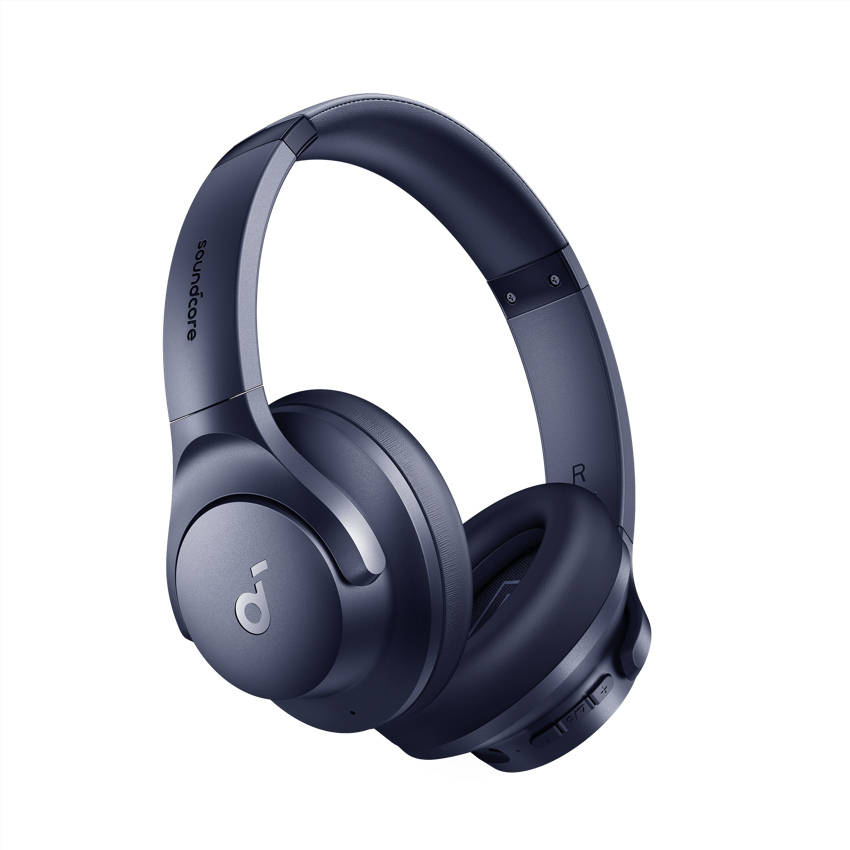
soundcore Q20i ANC Headphones
Why it is here: An over-ear ANC model to research when reducing incoming background distraction is a priority.
Skip it when: Do not choose it on an assumption of proven call-microphone performance, measured isolation or all-day comfort; those have not been tested here.
Product options are based on manufacturer information and editorial research, not hands-on testing. Retailer buttons search the model; verify the version, seller, region, returns and current price. No live discount or availability is claimed.
Choose for the audio problem you have. Keep listening, call performance and comfort as separate checks.
Your small-space checklist
Tick the steps you want to keep. Your progress stays on this browser.
Sources behind the options
Images: respective manufacturers. Our selection method · Data and price limits